Buying a new climate control system is a major financial step. The market has moved beyond simple “furnace or AC” choices. Today, smart buyers must view their purchase as an investment in a home ecosystem. This shift is necessary because modern units are highly technical.
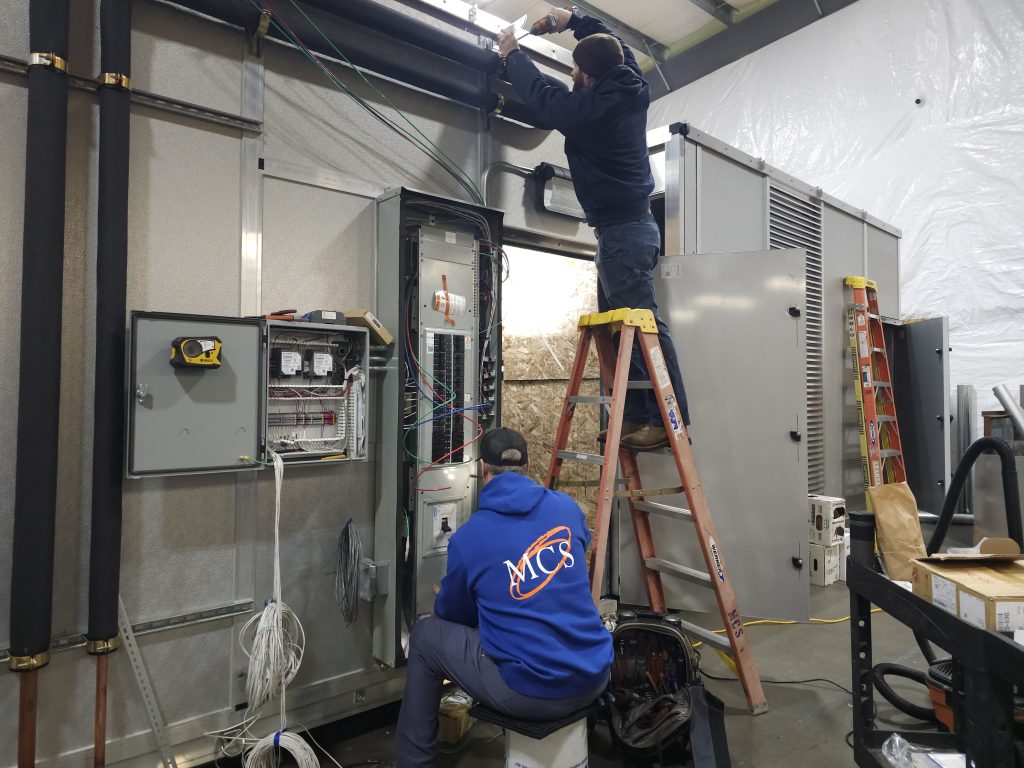
Selecting the right “rig” requires more than just picking a brand. You must understand how mechanical hardware connects to your home’s power. A great install pairs HVAC and Electrical Systems perfectly. This ensures that comfort is backed by safety and long-term energy savings in Western Washington.
- Decoding the Rating Alphabet Soup
When shopping, you will see many acronyms. SEER2 measures cooling, HSPF2 measures heat pump efficiency, and AFUE measures gas furnace performance. While these numbers look great on a spec sheet, they are “lab-tested” maximums. They represent the best a unit can do under perfect conditions.
In the real world, these ratings only stay true if HVAC and Electrical Systems are calibrated to work together. A high-SEER2 air conditioner needs steady voltage. If your wiring is too small, the motor works harder and draws more power. This “bleeds” the efficiency you paid for.
A 20-SEER unit on 15-SEER wiring will run like a 12-SEER unit. This mismatch is a common reason why homeowners do not see the lower bills they expected. Verifying that your home’s power can handle high-performance gear is vital. Testing the voltage drop during the initial survey is a key step for any buyer.
- Choosing Your Rig: Heat Pumps vs. Furnaces
The right choice depends on local weather and your current energy source. Standard heat pumps are the top choice for many. They provide both heating and cooling in one unit. In colder regions, a “dual-fuel” system is often better. This setup mixes an electric heat pump with a gas furnace for back-up heat during extreme freezes.
Is your electrical panel ready? Switching from a gas furnace to a full-electric heat pump adds a huge load to your home’s grid. If a home has an old 100-amp panel, a new heat pump might require an upgrade to 200 amps. Always ask for a “load calculation” so there are no surprises later.
- The Hidden Costs of Cheap Installs
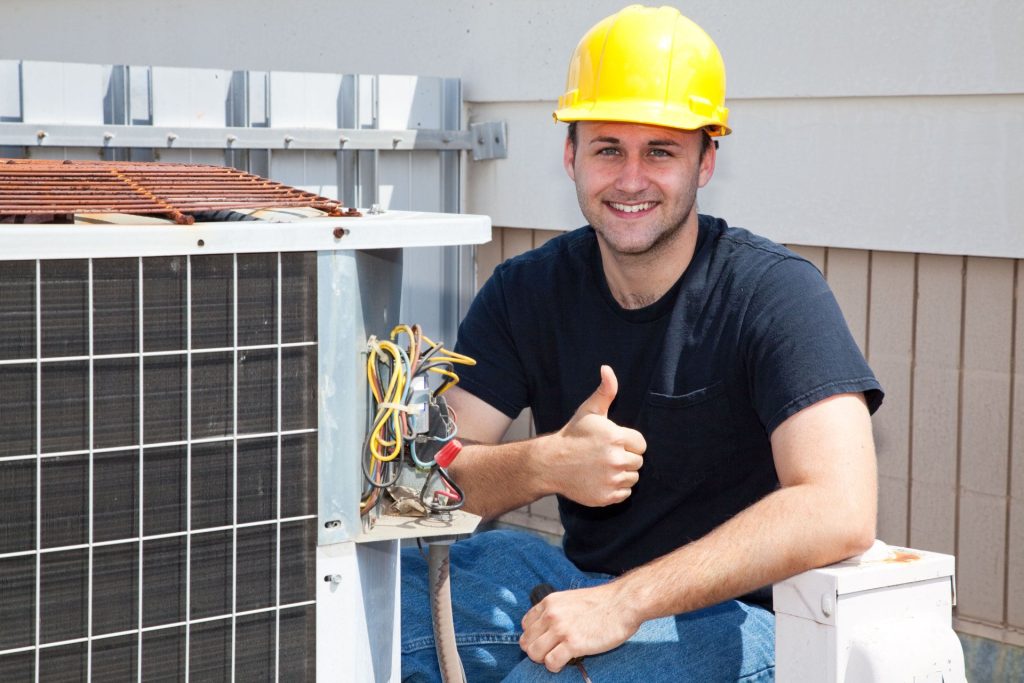
Low-bid contractors often save money by ignoring the electrical side of the job. This leads to hidden costs that show up months later. A proper install requires dedicated circuits and the right size of disconnect boxes. It also needs updated grounding to protect the sensitive internal electronics of the unit.
Modern variable-speed compressors use a control board that acts like a computer. If this board is hooked up to a shaky circuit without surge protection, it is at risk. One power flicker can cause a $1,500 repair. By paying for the electrical work upfront, you avoid the cost of calling a separate electrician later.
- Matching Tech to Your Lifestyle
Modern rigs come in three main “speeds” that affect your daily comfort:
- Single-stage units: The most affordable, but they are either 100% “on” or “off.” This leads to hot and cold spots.
- Two-stage units: Have a “high” and “low” setting, making them more comfortable and efficient.
- Variable-capacity units: The “gold standard.” They adjust output to almost any level to match the outdoor temperature.
Variable-capacity systems use “soft-start” technology. This allows the motor to ramp up slowly. It prevents lights from flickering and helps the motor last longer by reducing physical and electrical shock. An HVAC electrical contractor can ensure these sensitive electronic controls are properly shielded and powered.
- Credits, Rebates, and Total Cost
The “Total Cost of Ownership” is a much better metric than the initial price tag. Federal tax credits and local utility rebates now favor high-efficiency gear. Under the Inflation Reduction Act, homeowners can get thousands of dollars back for heat pumps. Credits are also available for the panel upgrades needed to support them.
Look at a setup as a bundled deal to save the most money. Often, the rebate for a high-tier heat pump is large enough to pay for the electrical work. Over 10 years, lower monthly bills make the “expensive” system the cheaper choice. Always look at the “net price” after all incentives are applied.
- The Final Step: Verification
The sale is not over when the box is placed on the pad. The final step is “commissioning.” This is when the technician tests the rig under a real load. They check refrigerant levels, air pressure, and total electrical draw.
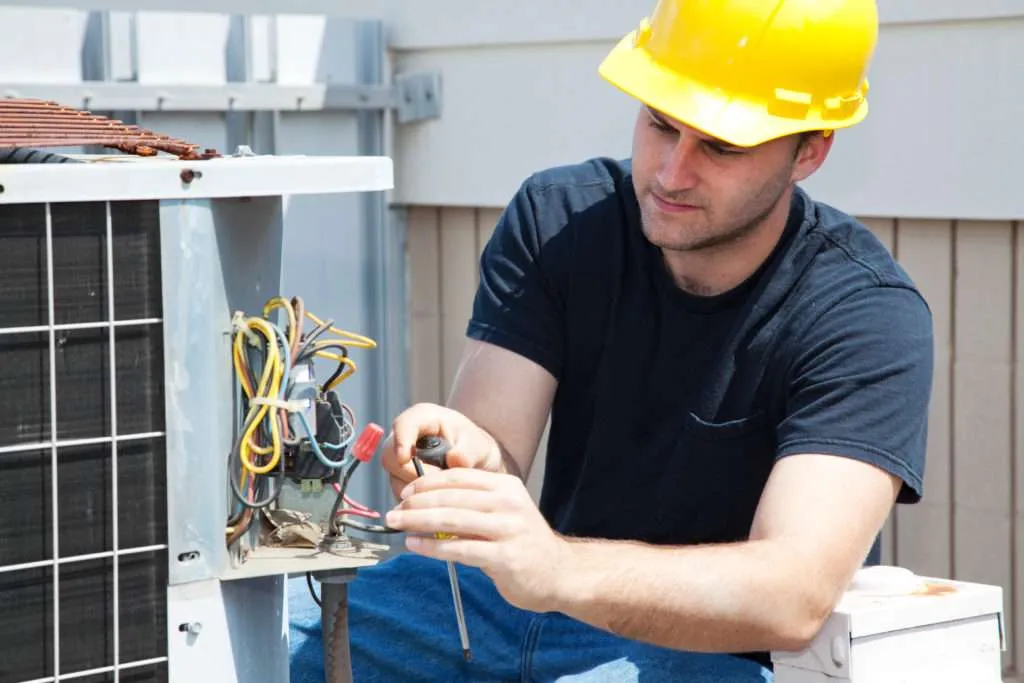
A technician should prove that the HVAC and Electrical Systems are hitting manufacturer specifications. They should measure the “amp draw” and ensure voltage stays steady. If a contractor skips this step, there is no way to know if your system is actually working as promised. Only make the final payment after receiving a report proving the system is running well.
Frequently Asked Questions (FAQ)
Why is an electrical load calculation necessary? A load calculation ensures your current electrical panel can safely handle the power needs of a new high-efficiency system, preventing tripped breakers or fire hazards.
What is the benefit of a variable-capacity system? These systems adjust their output based on your home’s real-time needs, providing superior comfort, quieter operation, and significantly higher energy efficiency.
Can I get rebates for my HVAC and Electrical Systems upgrade? Yes. Federal tax credits and local utility incentives are often available for high-efficiency heat pumps and the necessary electrical panel upgrades to support them.